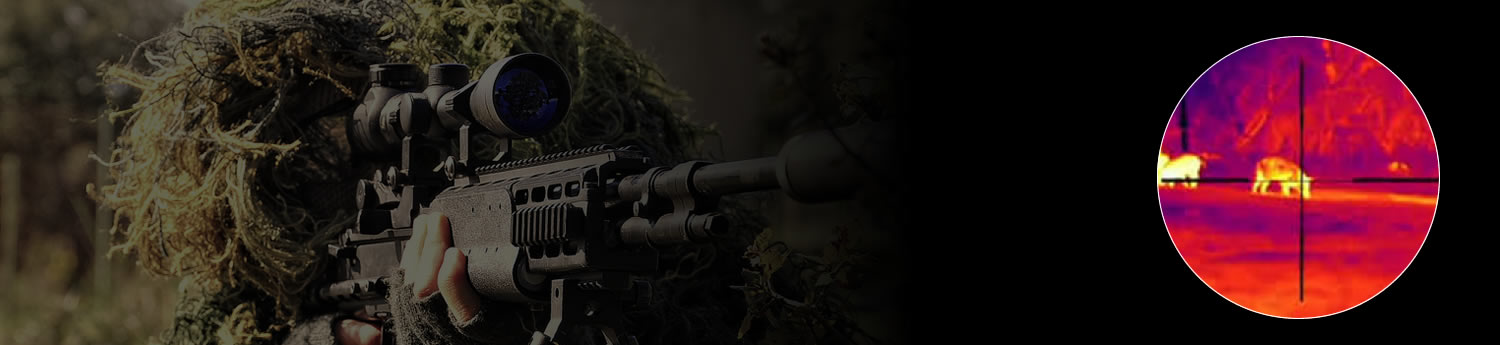
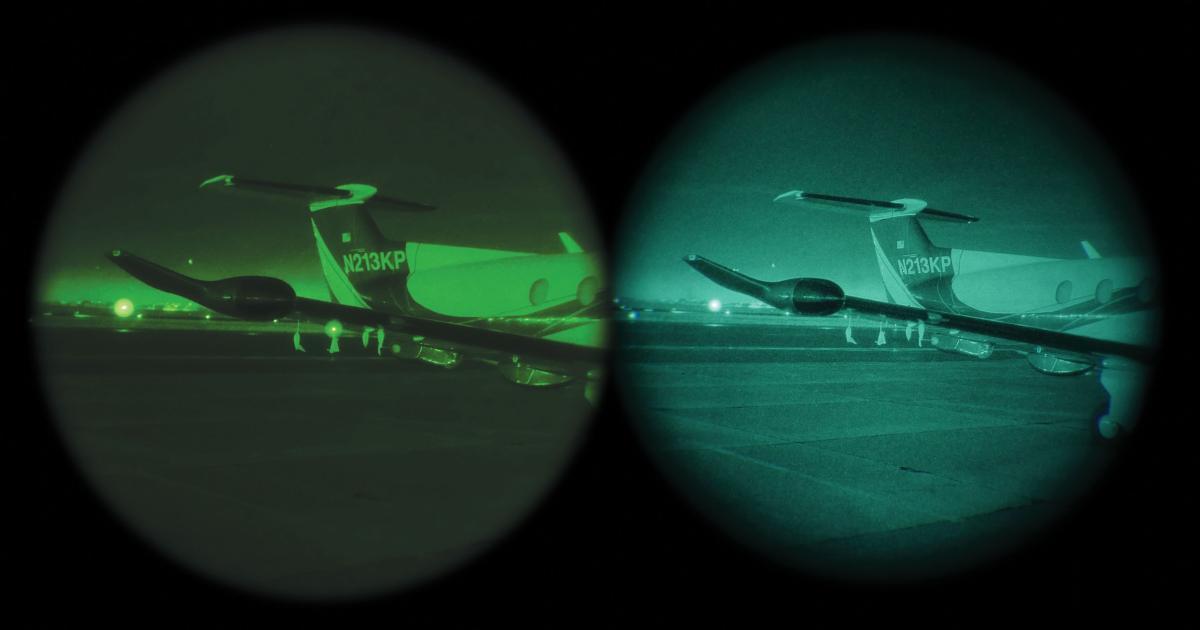
In low-light conditions, ordinary night vision devices can help improve visibility. For pilots, however, night observation also requires consideration of field of view, binocular vision, wearing options, and cockpit compatibility.
So, what makes aviation night vision goggles different from ordinary night vision devices?
1. Different Applications and Design Priorities
Ordinary night vision devices are commonly used for outdoor observation, night patrol, and other low-light applications. They may feature monocular, binocular, or handheld designs.
Aviation night vision goggles place greater emphasis on continuous observation and awareness of the surrounding environment. Besides image clarity, they need to balance wide field of view, binocular vision, wearing comfort, and compatibility with the cockpit environment.
Therefore, aviation NVGs are not simply designed to provide higher magnification, but to deliver a more suitable overall viewing experience.
2. Binocular Design and Field of View
During flight observation, users need to monitor both the forward and surrounding areas, making the Field of View (FOV) an important specification.
Compared with some ordinary night vision devices that focus on magnification or portability, aviation night vision goggles often use a 1× binocular design to maintain a natural viewing perspective and wide field of view.
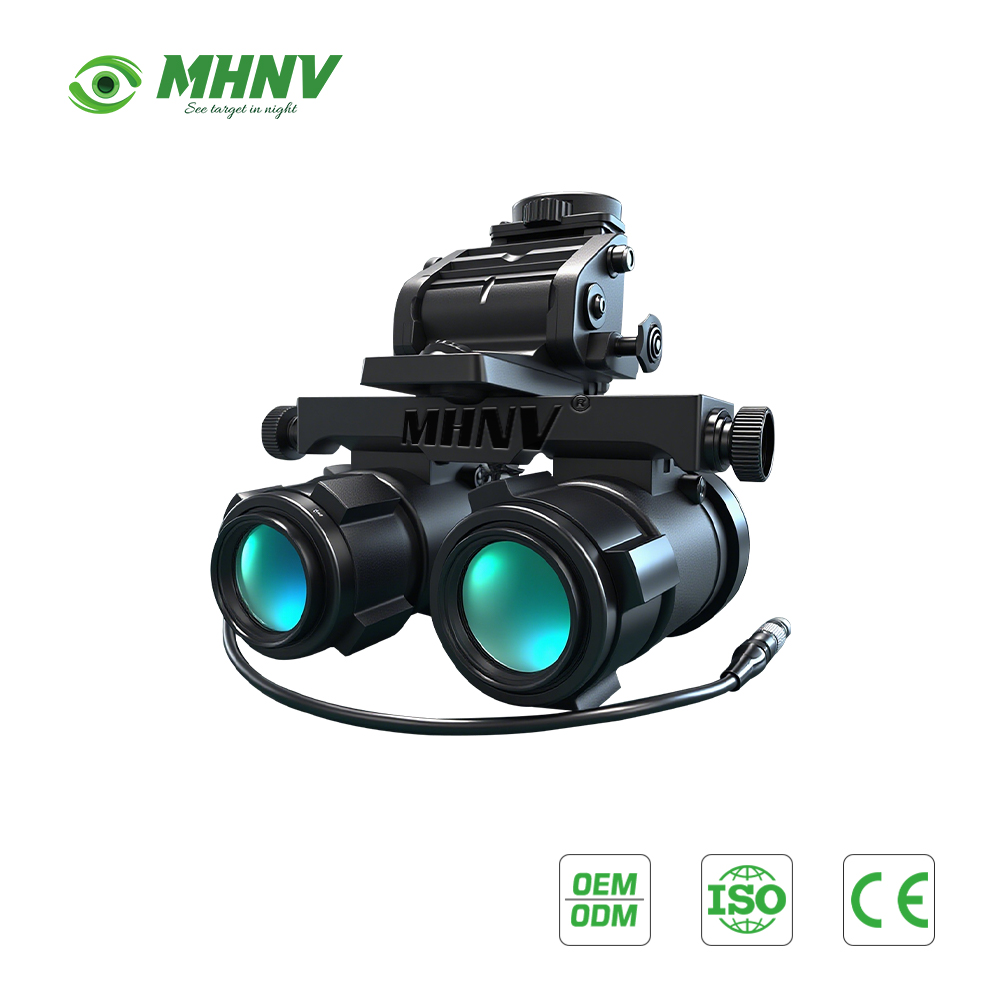
The MH-PVS9 Aviation & Pilot Night Vision Goggles,produced by Xi'an MH Electronics and Technology Co.,Ltd,for example, feature a binocular design with 1× optical magnification and a 40° field of view, providing a wide viewing area for nighttime observation.
3. Image Intensifier Tube Performance
For both ordinary and aviation night vision devices, the Image Intensifier Tube is one of the key components.
When selecting a night vision device, users can consider not only magnification but also:
Resolution
Signal-to-Noise Ratio (SNR)
Figure of Merit (FOM)
Cathode Sensitivity
Field of View (FOV)
These specifications help provide a better understanding of night vision imaging performance in low-light conditions.
The device provides a resolution of ≥60 lp/mm, SNR of >20, FOM of 1400, with optional FOM configurations of 1600, 1800, and 2000. It features >600 cathode sensitivity, 1× optical magnification, and a 40° field of view, providing a natural viewing perspective with a wide observation area.
For user comfort and optical adjustment, the MH-PVS9 offers a focus range of 250 mm to infinity, 25 mm eye relief, and 52–72 mm eye-distance adjustment. The device weighs approximately 469 g and provides up to 40 hours of continuous working time.
The MH-PVS9 also supports green phosphor and white phosphor image intensifier tube configurations, as well as handheld, helmet-mounted, and head-supported usage options.
5. Why Do Aviation NVGs Use 1× Magnification?
Aviation observation is not only about seeing distant objects. Pilots also need to maintain awareness of the forward environment, terrain, and surrounding areas.
For this reason, aviation night vision goggles generally place greater emphasis on a natural viewing perspective and wide field of view.
With 1× optical magnification and a 40° FOV, the MH-PVS9 provides a natural viewing perspective while covering a relatively wide observation area for nighttime applications.
Conclusion
The difference between aviation night vision goggles and ordinary night vision devices is not simply their appearance. It also involves application, binocular design, field of view, image intensifier performance, and wearing options.
For aviation and nighttime observation applications, users can consider these specifications rather than focusing only on viewing distance or magnification.
The MH-PVS9 Aviation & Pilot Night Vision Goggles feature a 1× binocular design, 40° FOV, and optional green or white phosphor configurations, providing a practical option for aviation and nighttime observation applications.
Xi'an MH Electronic and TechnologyCo.,Ltdfocuses on infrared thermal imagers and low-light night vision devices, delivering premium full-customization solutions covering appearance, hardware, software and packaging.
We are committed to top-tier tailored services for global partners.
Kindly click our email address to send your inquiry for bespoke solutions.